Depuratore
Art Residency · Treviso · 2019
Selected among emerging artists for the Depuratore Artist Residency in Treviso, Italy, Isabella developed an immersive installation and performance that reimagined human civilization in a post-apocalyptic world.
Leading the residency’s curatorial development and conceptual direction, she guided a group of eight artists toward a collective theme: post-apocalyptic survival and rebirth. This theme explored a speculative narrative of ecological and social recovery, restoral, and reinvention.
In her own installation, she specifically pondered what forms of nourishment, cooperation, and ritual might emerge once contemporary systems collapse. Her hypothesis manifested as an installation that turned the collapse of civilization into a feast: absurd, sacred, innovative, and tender all at once.
She imagined a world with no wifi, technology, or supermarkets. A world stripped of digital infrastructure and excess, a time after environmental degradation and social disintegration, where humanity must return to primal ingenuity.
Out of this scarcity came a vision of nourishment rooted in what forms of life could have survived outside of the heavily isolated human bunkers. Central to this vision was the idea of insect-based nutrition as a sustainable model for the future: a circular, resource-efficient alternative inspired by her earlier encounters with Finland’s edible insect culture. Drawing on research that locusts and crickets require up to 2000 times less water and land than conventional livestock, she reimagined these species as symbols of adaptability, humility, and survival.
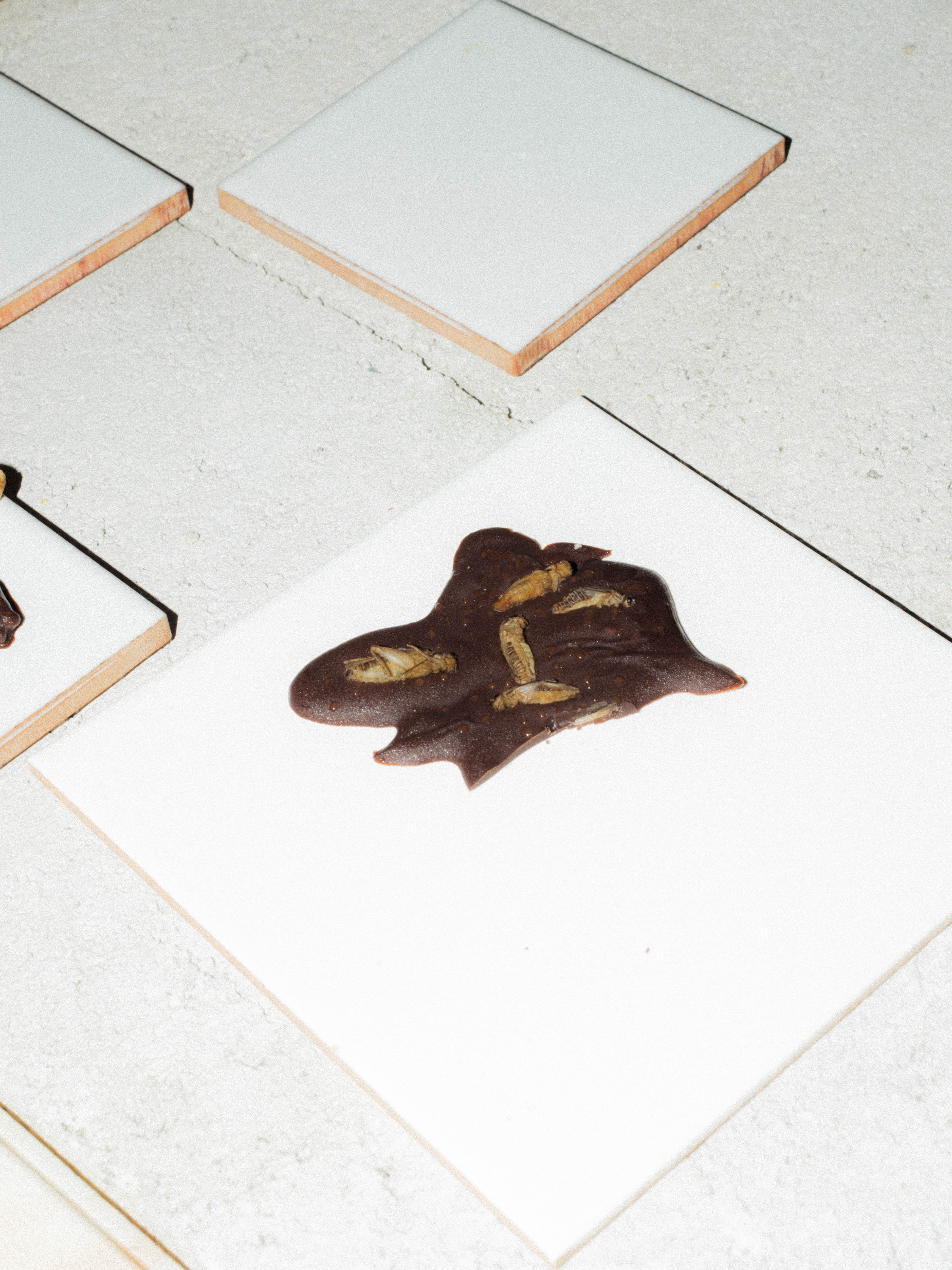
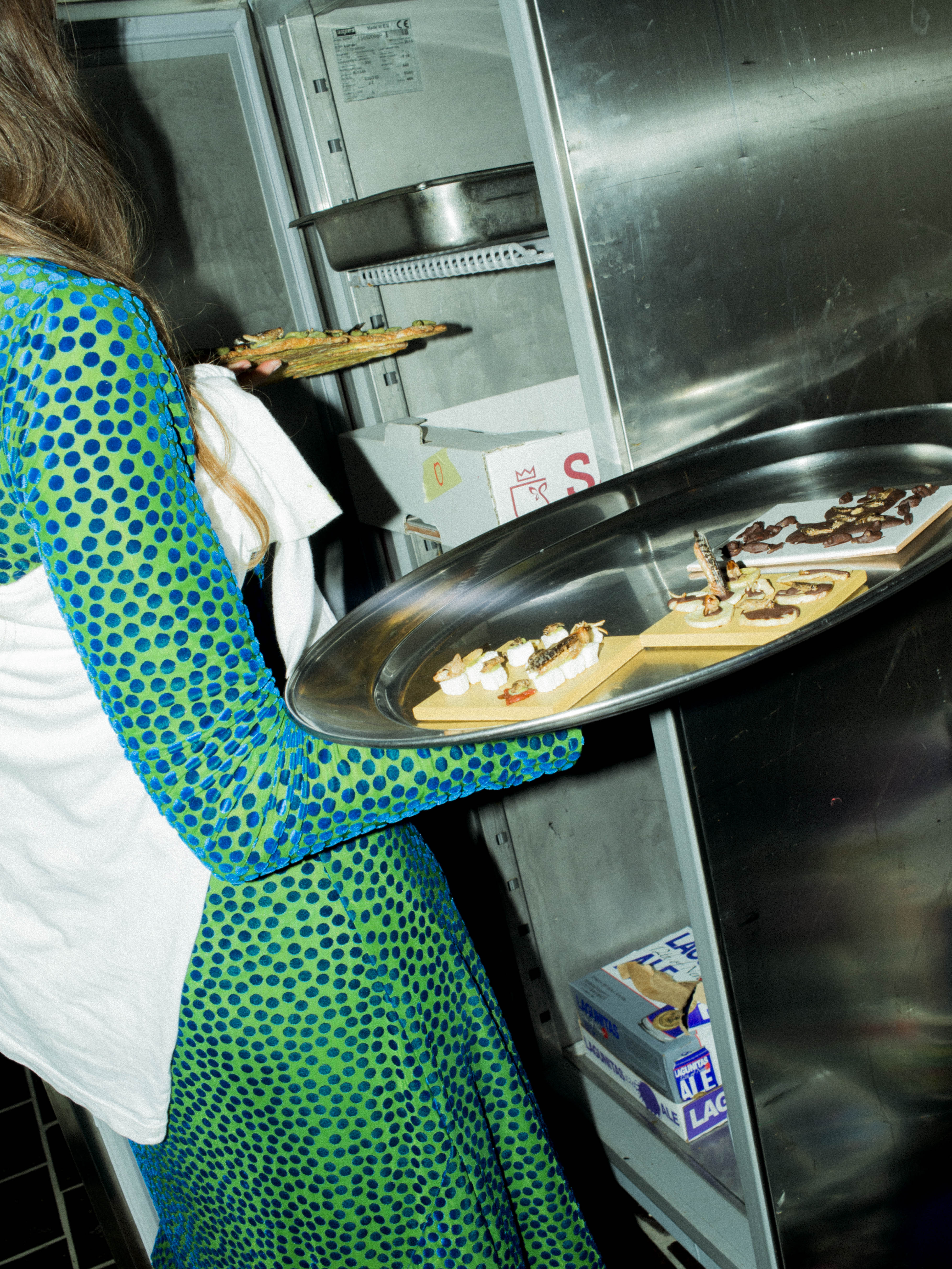
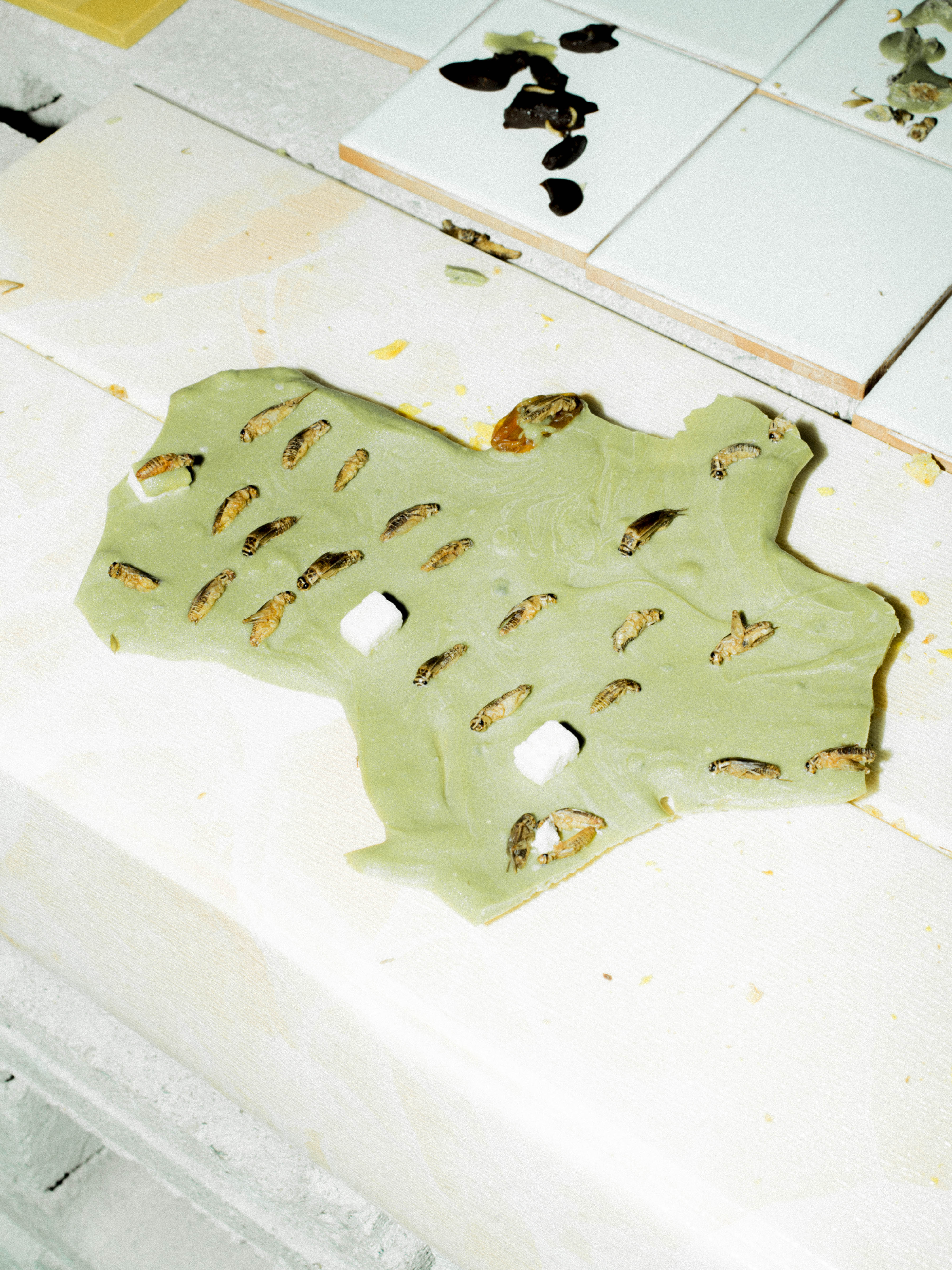
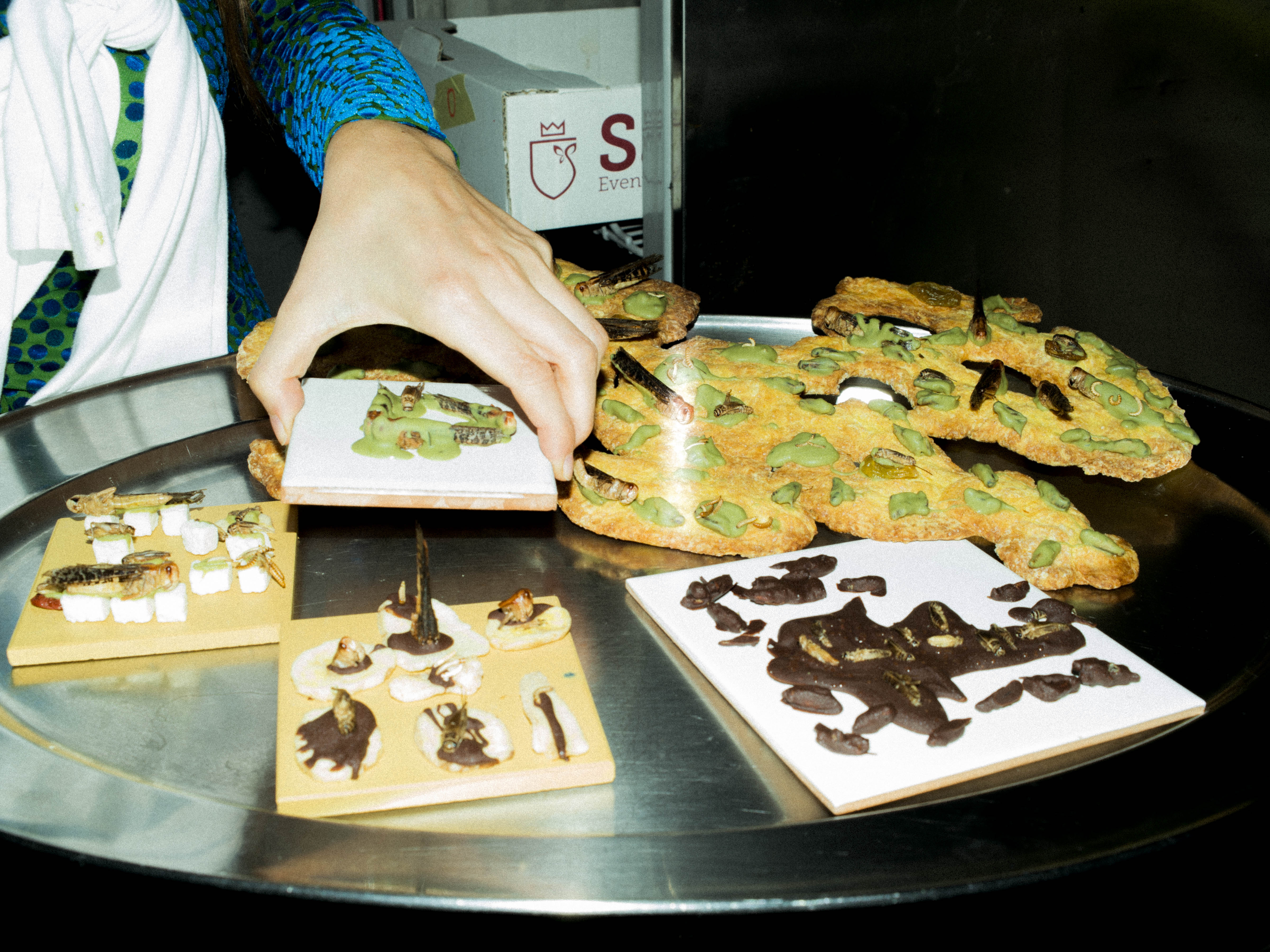
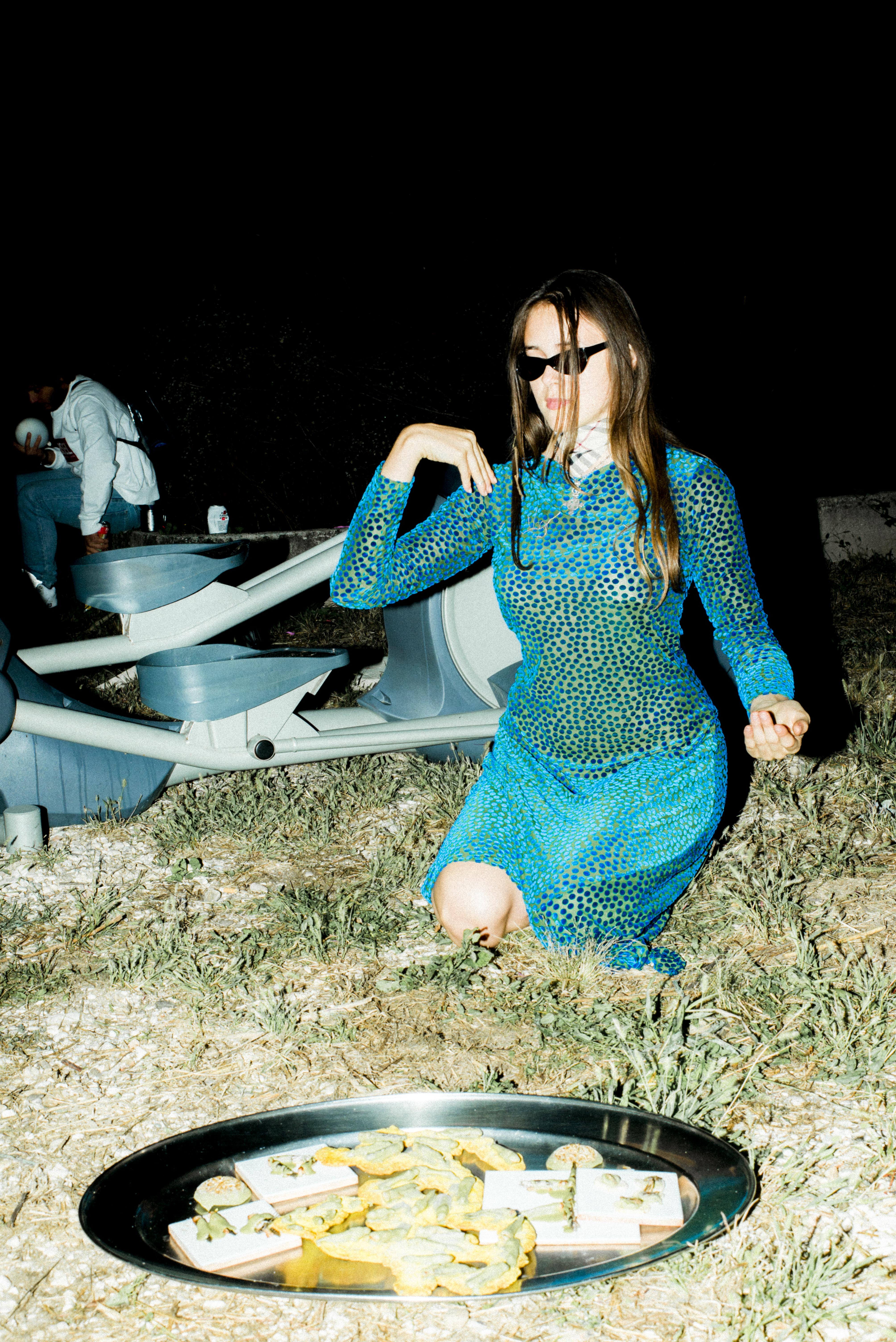
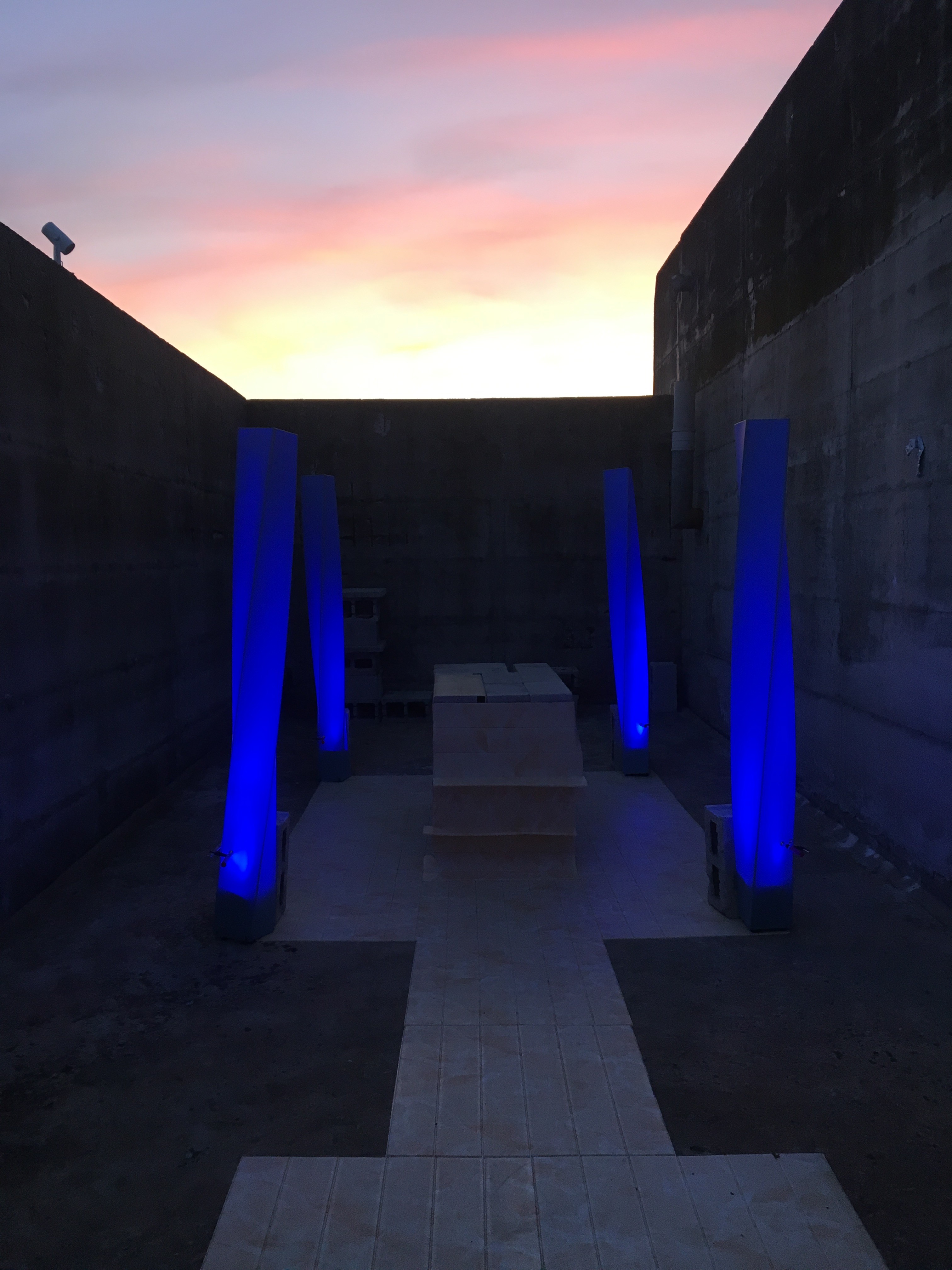
From this premise, she sculpted a series of edible monuments from crickets, mealworms, and locusts to saffron, cocoa, matcha, and vanilla. Ingredients that highlight the strong contrast between functionality and sensorial prestige. The resulting work took the form of an altar decorated with edible sculptures. Relics of lost luxury reborn as sacred food.
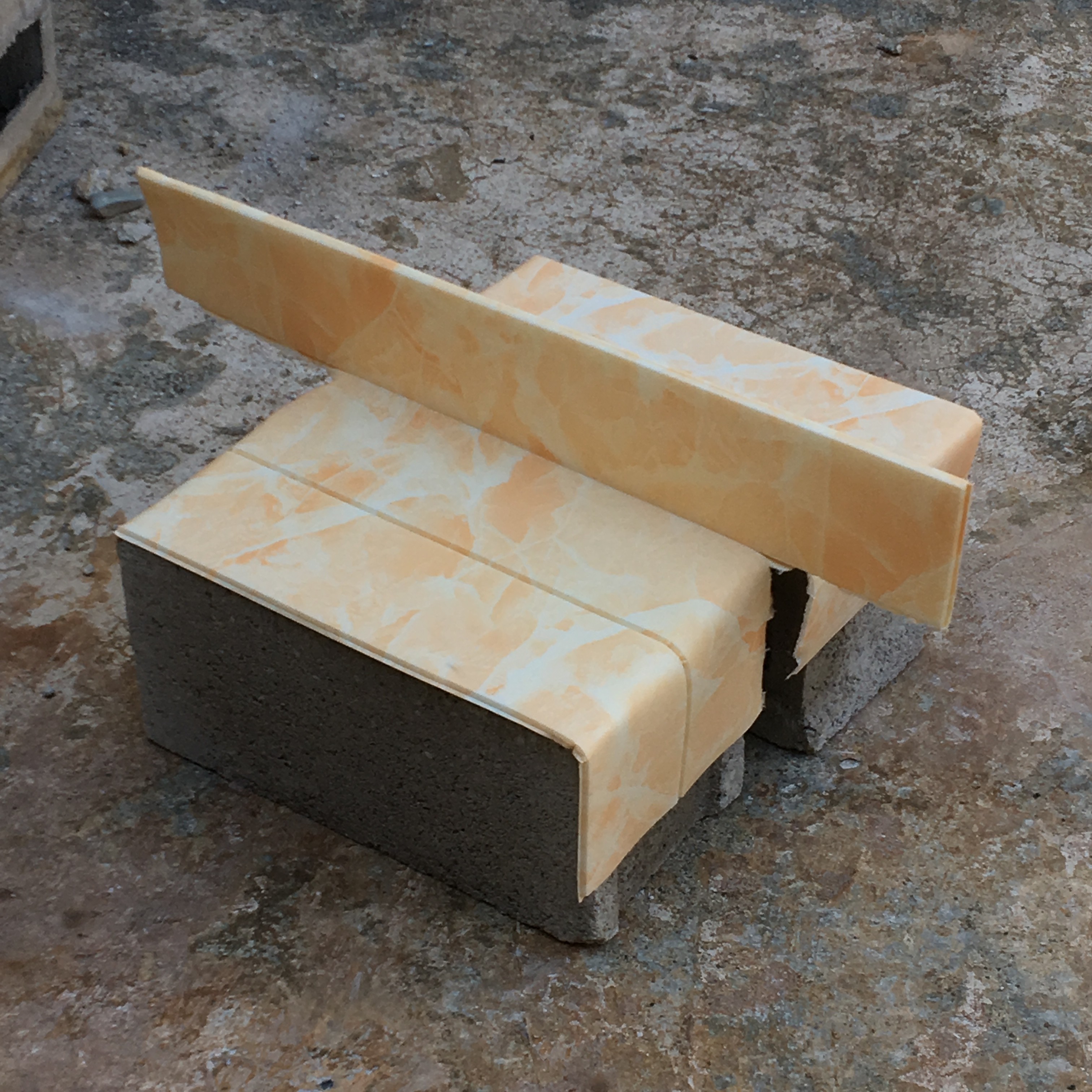
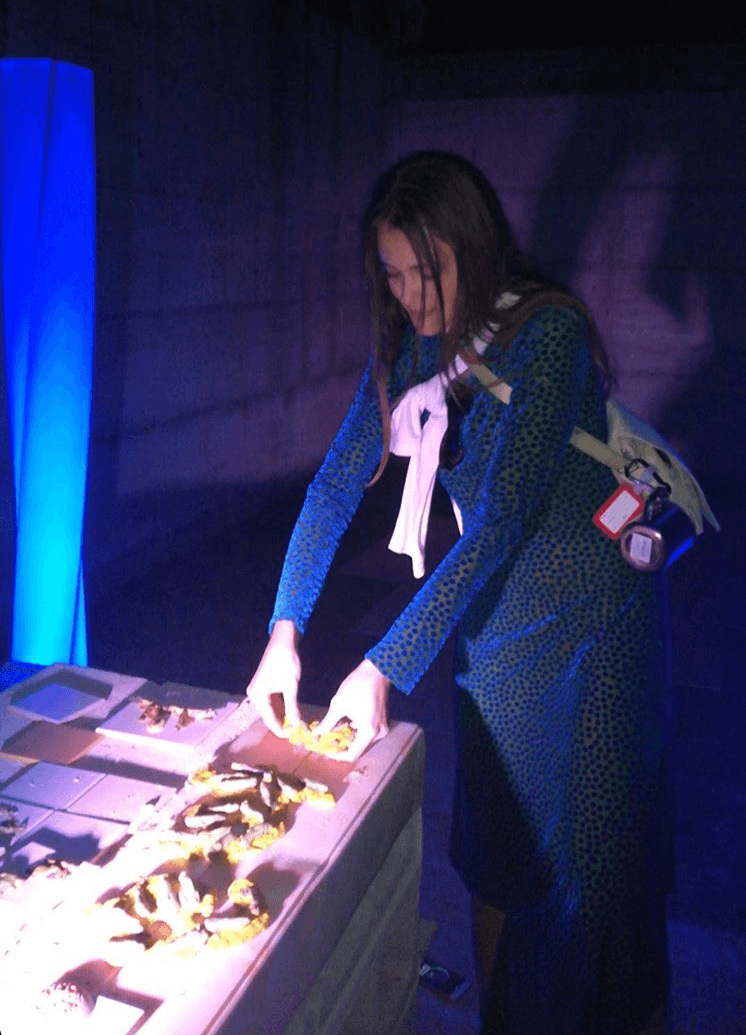
Installed in an open-sky concrete chamber at Villa Caprera, the installation resembled a temple without a ceiling, open to sun, moon, and weather. Inside, three grand edible sculptures were laid on an altar, surrounded by dozens of smaller ones, as offerings for a civilization relearning the ritual of exchange. Audience members were invited to remove their shoes and enter barefoot, witness the unveiling of the sculptures, and wait until they could break and eat them with their hands. In this act of destruction and communion, aggression gave way to softness, and survival became ceremony.
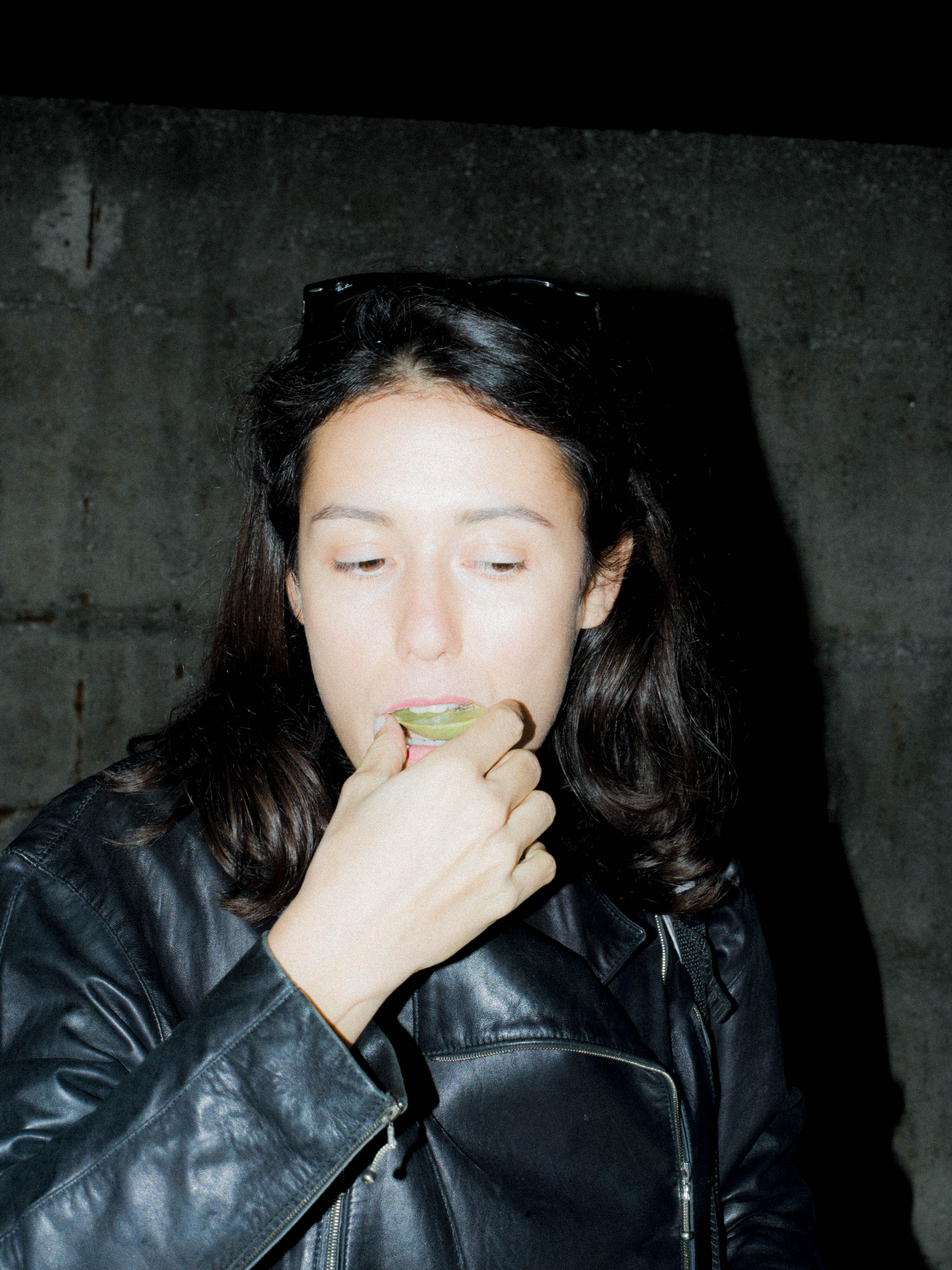
Some guests laughed nervously. Others hesitated, then devoured. Some bartered pieces for Instagram stories; others fed the strangers around them. Some hoarded, others shared instinctively. As participants navigated disgust, curiosity, and desire, their behaviors revealed social patterns of greed, generosity, commerce, and play.
Half feast, half catharsis, this act transformed the open-air gallery into a living experiment in cooperation. The performance revealed, in miniature, the choreography of human instinct: hunger, fear, cooperation, ritual.
Through humor and participation, the work questioned how crisis reshapes values, turning food into currency, art into sustenance, and the apocalypse into communion.
Blending edible sculpture, performance, and anthropological speculation, Isabella’s work at Depuratore became a meditation on what endures when systems decay: our need to gather, to share, and to ritualize survival.